Recovery at home can make small comforts and convenient routines especially welcome. These eight gift ideas range from cozy bedroom additions to useful items for reading, writing and unwinding.
Choose with the recipient’s space, daily habits and personal preferences in mind. For health-related needs, check with them or their care team before choosing anything intended to address a symptom.
8 Gift Ideas for Someone Recovering at Home
SONGMICS Adjustable Folding Bed Laptop Desk
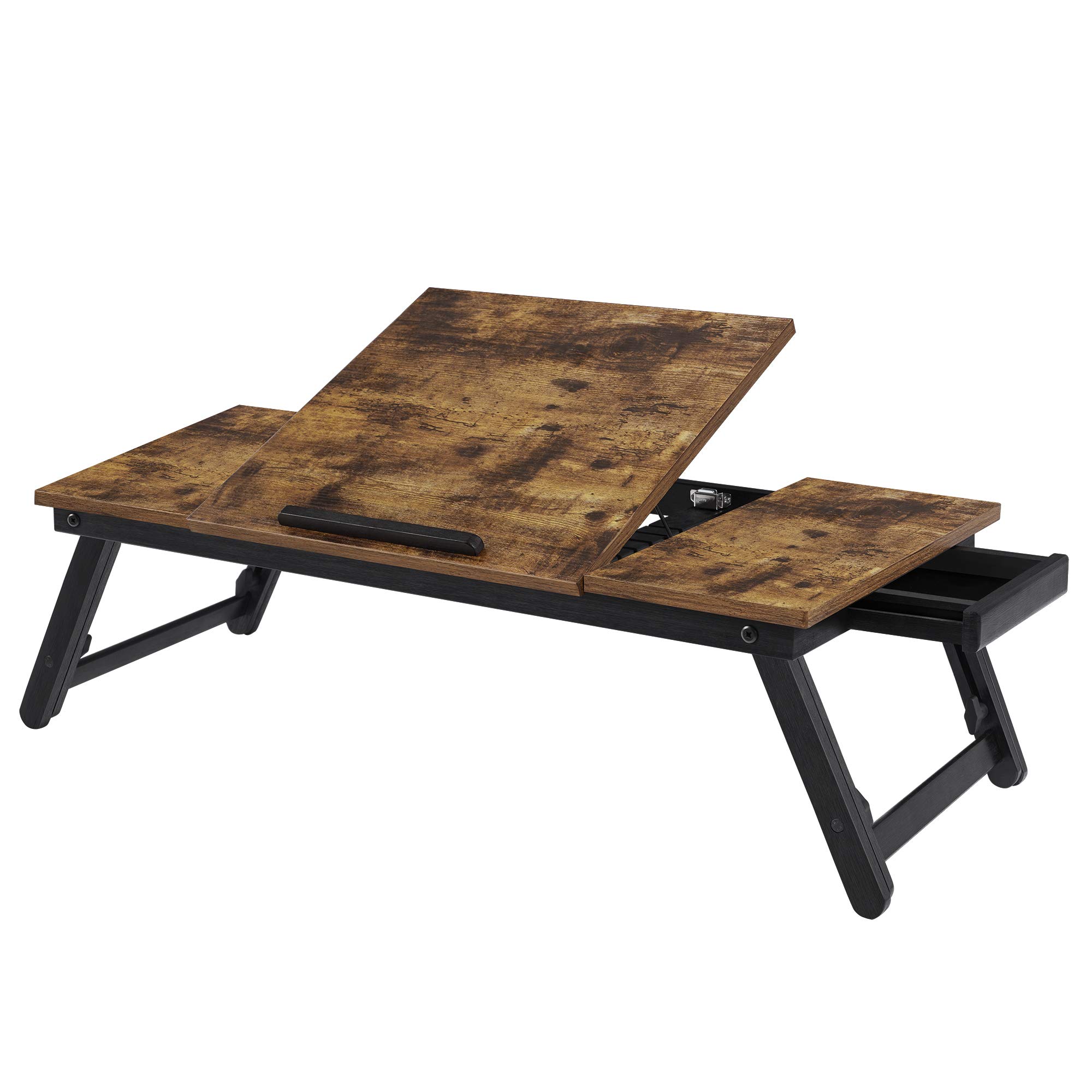
- The height and angle adjust for different working or reading positions.
- The tilt top offers five angle settings.
- The desk folds and includes a drawer.
Best Gift For: Someone who likes to read, write or use a laptop from bed or the sofa.

MyHalos 3D Blackout Sleep Mask, 2-Pack
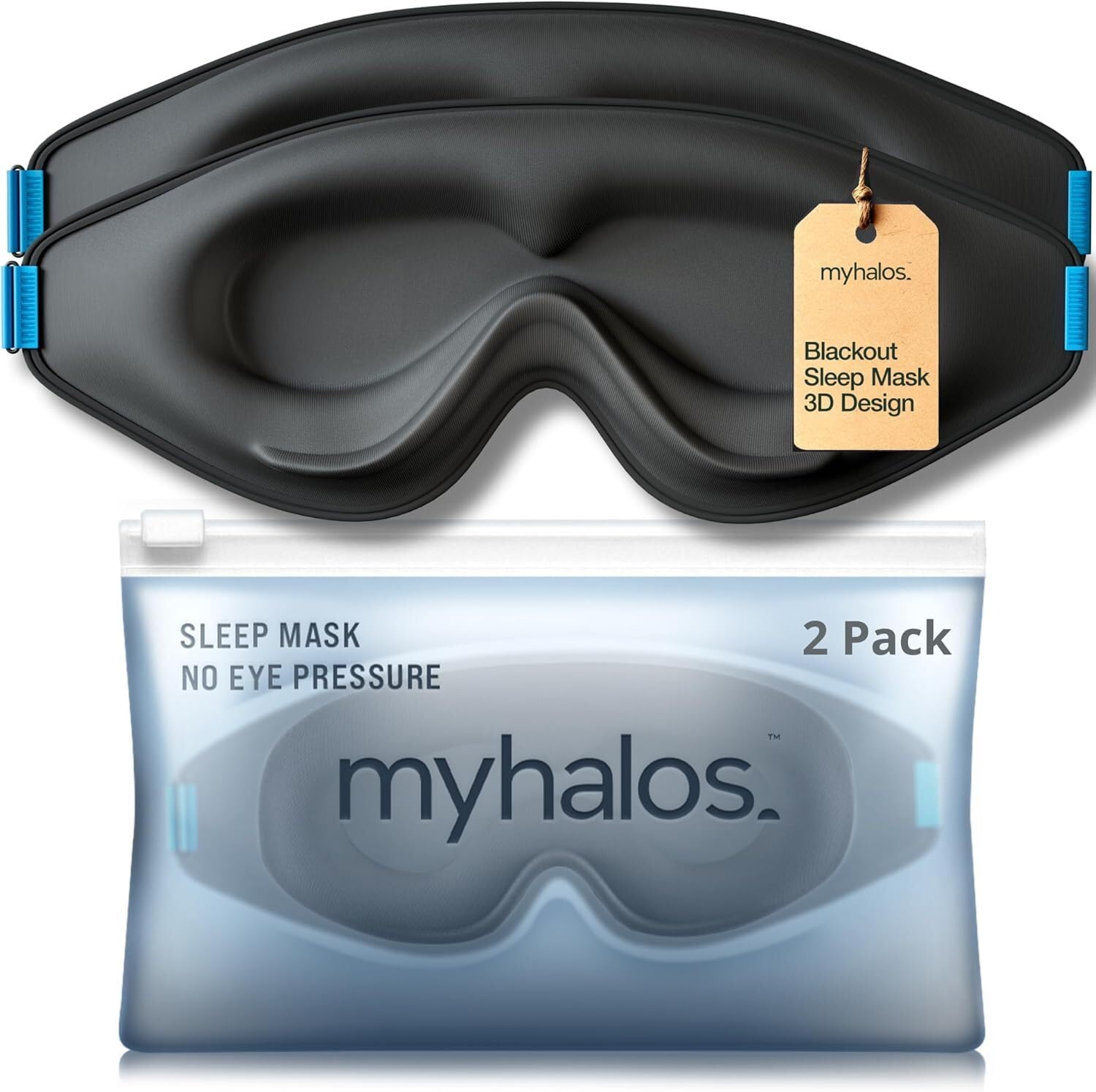
- The contoured design is made to block light.
- The deep eye cups are designed to avoid contact with eyelids or lashes.
- The washable mask comes with a travel pouch.
Best Gift For: Someone who appreciates a sleep mask for naps or travel.
GENIANI Portable Cool Mist Humidifier
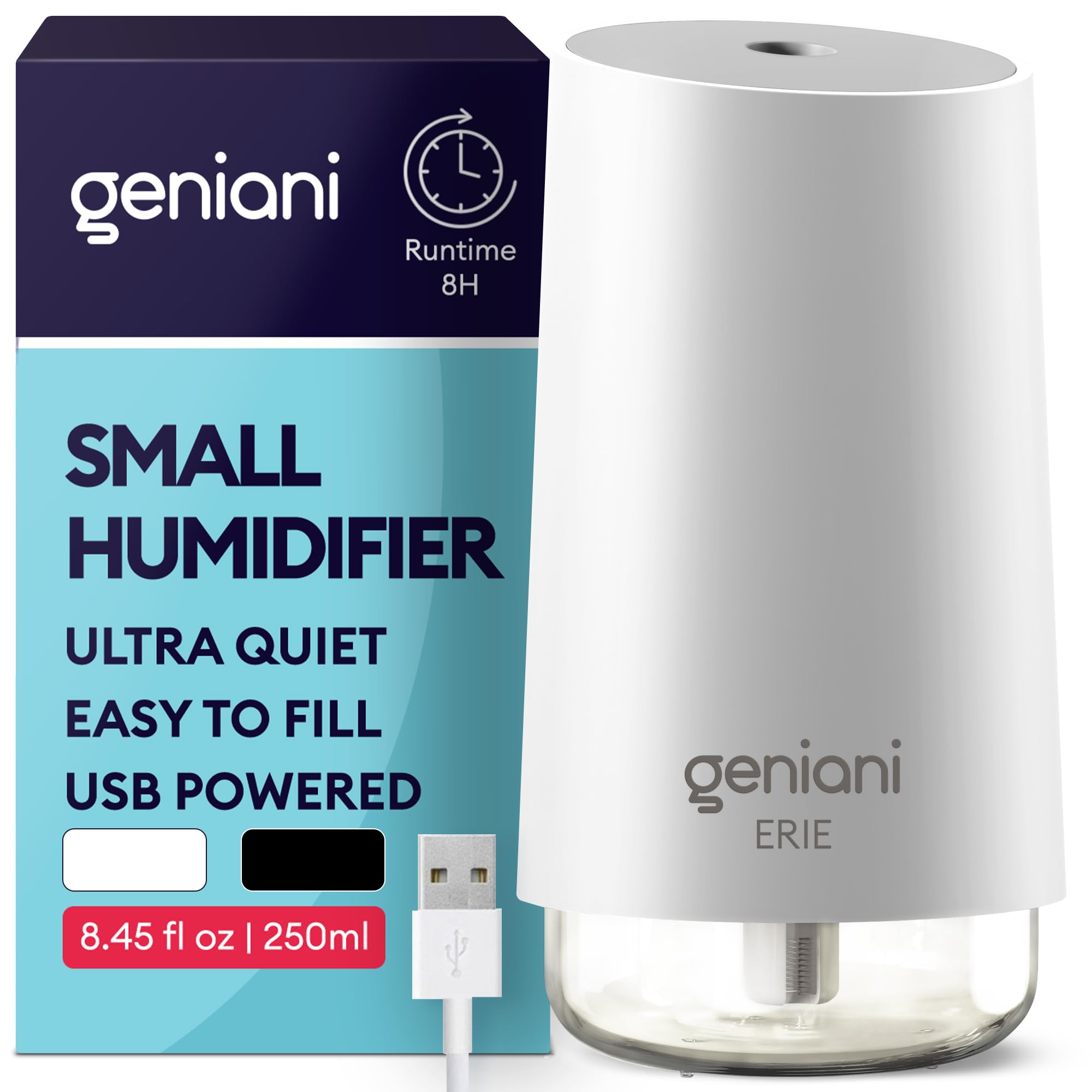
- Its water tank holds 250 ml.
- The device has an automatic shut-off feature.
- The tank has a wide opening for refilling and cleaning.
Best Gift For: Someone who would enjoy a compact humidifier for a bedroom or workspace.
Mueller Living 1.8L Electric Kettle
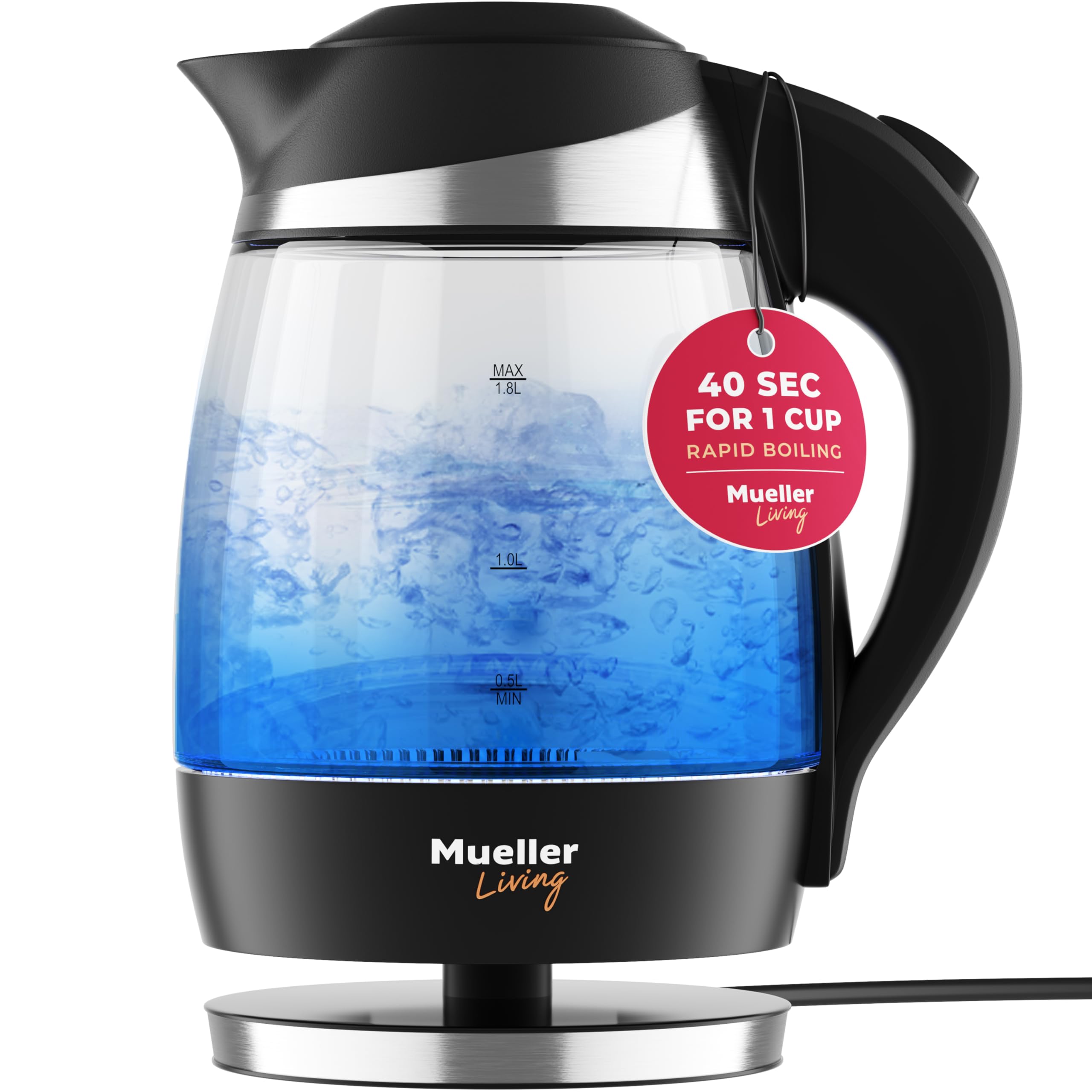
- The kettle has a 1.8 L capacity.
- It turns off automatically when the water boils.
- The power cord attaches to the base for cordless pouring.
Best Gift For: Someone who enjoys making tea, oatmeal, or instant soup at home.
Bedsure Standard Bed Pillows, 2-Pack
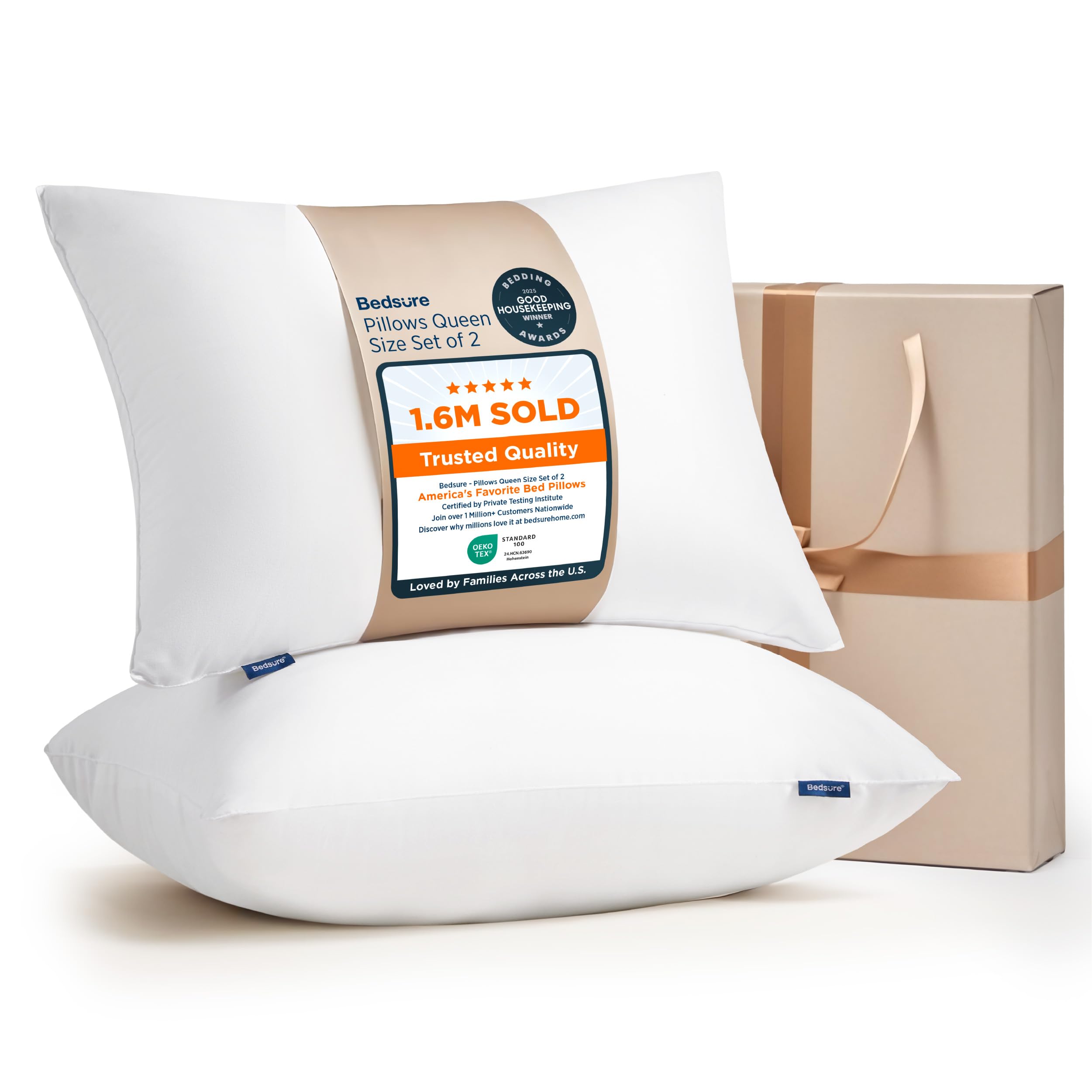
- The set includes two standard-size pillows.
- They have down-alternative filling.
- The pillows are machine washable in cold water.
Best Gift For: Couples, families, or guest rooms
Everlasting Comfort Memory Foam Foot Rest
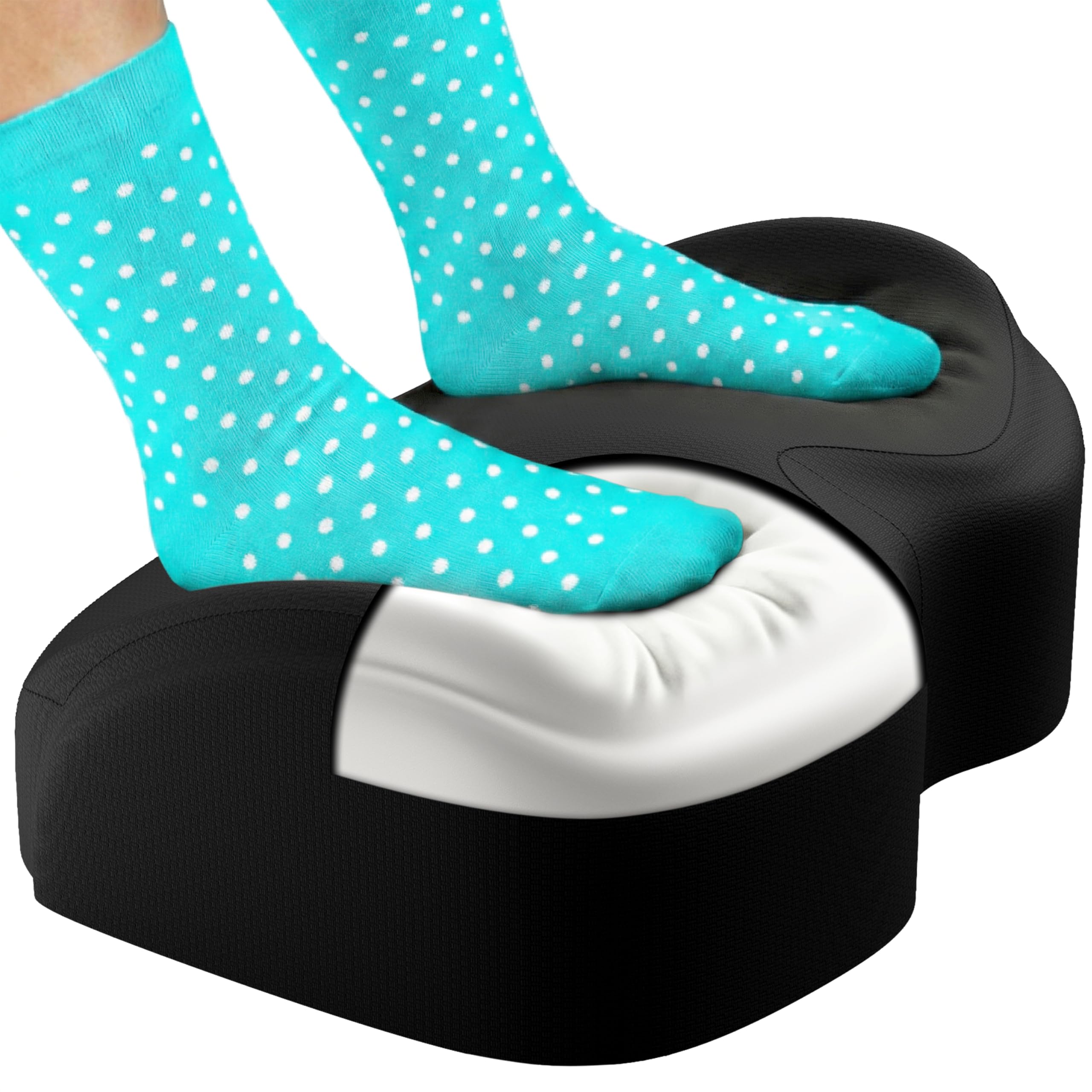
- The foot rest uses memory foam.
- Its cover is breathable and machine washable.
- A non-slip base helps it stay in place on several floor types.
Best Gift For: Someone who spends time sitting at a desk at home or work.
RENPHO Slim Electric Shiatsu Foot Massager with Heat
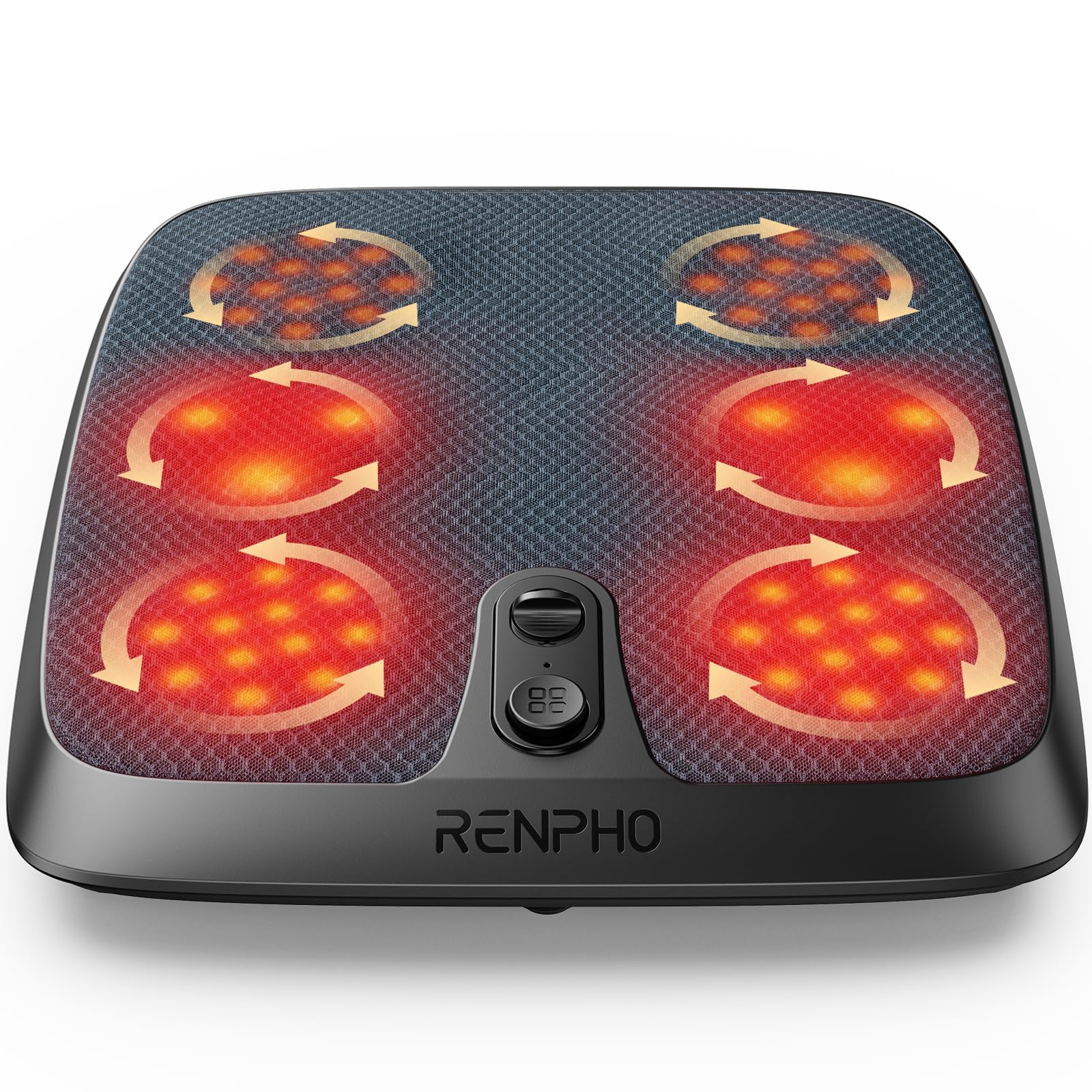
- Resting feet on the device starts the massage.
- It offers high- and low-speed modes with heat.
- The massager can be tucked under a desk or sofa.
Best Gift For: Someone who would welcome a hands-free foot massage while relaxing at home.
PILOT G2 Green Ink Gel Pens, Pack of 12
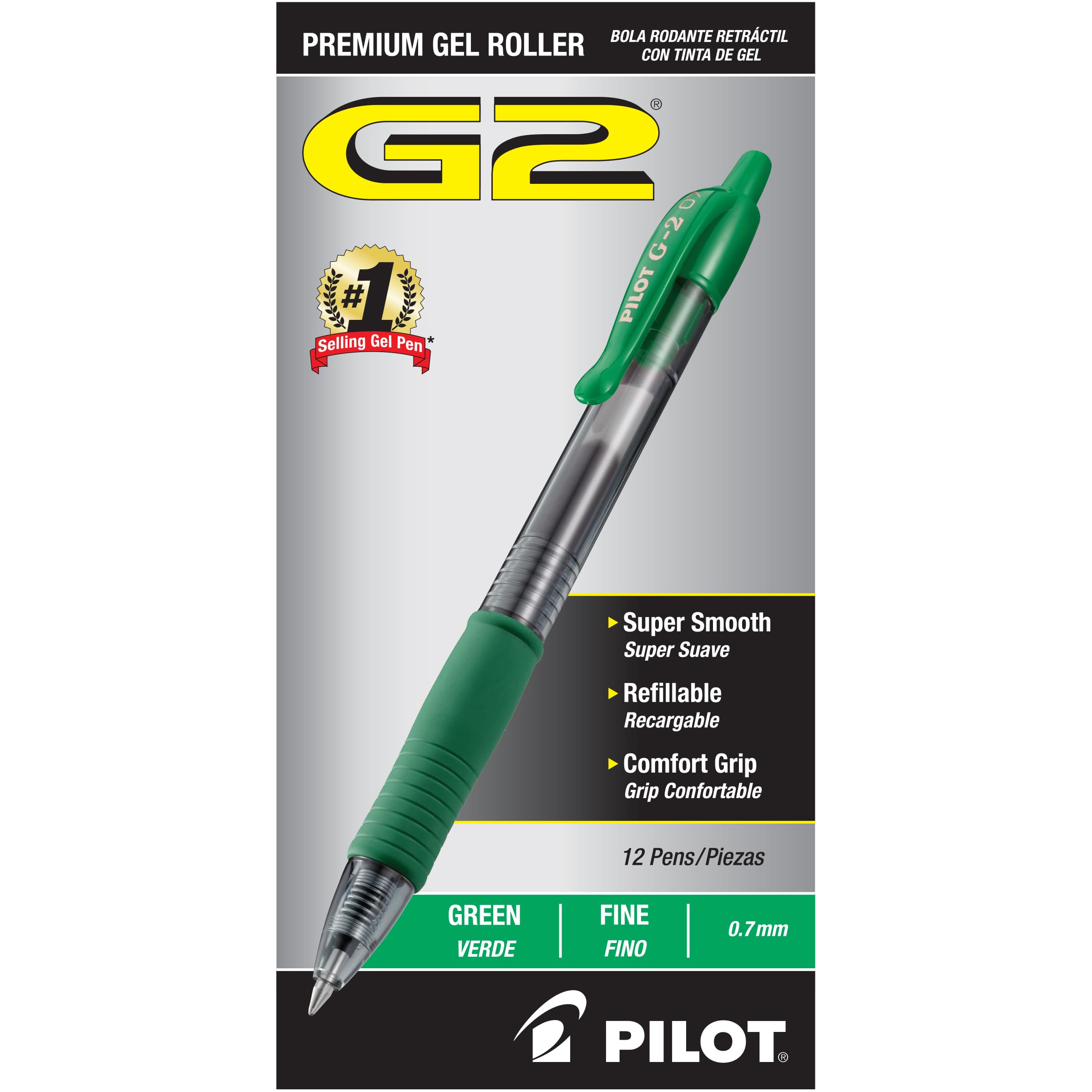
- The pens use green gel ink and have a fine point.
- The rubber grip is designed to support comfortable writing.
- Quick-drying ink helps prevent smudges and smears.
Best Gift For: Someone who enjoys writing notes, making lists, or doodling.
Choosing gifts for people recovering at home under 50
When choosing gifts for people recovering at home under 50, start with the parts of an ordinary day they mention most: reading in bed, resting between visits, making a warm drink, or keeping notes nearby. A useful gift fits naturally into that routine and does not ask them to take on extra work.
Think about where the recipient spends time and what they already have. A bedside surface, spare pillow, quiet break or desk setup may suggest a practical direction, while a small writing set can add a personal touch without requiring a change to their space.
Recovery needs differ, so ask a simple preference question when possible. If a product might interact with a health condition, mobility needs or care instructions, let the recipient decide whether it is suitable, or suggest they check with their care team.
Balance comfort, usefulness and budget
A modest budget can still cover a gift that feels considered. Look for a single item that supports a routine they already enjoy, such as reading, tea, journaling or settling in for a nap.
Practicality matters most when the item will be easy to reach and simple to use.
Some gifts work best as part of a larger setup. Before choosing a comfort item for a bed or desk, consider whether the recipient has room for it and whether it suits their existing furniture.
Check current product details and dimensions before ordering, especially when space is limited.
If you are choosing among a few ideas, let their preferences guide the decision more than the size of the package. A note tucked beside an everyday comfort can make a smaller present feel complete, and it leaves room for the recipient to use it in their own way.
Personalize gifts for people recovering at home under 50
Personalization can be as simple as connecting a gift to something the recipient already likes. Pair writing supplies with a notebook they enjoy, or choose a calming bedside item in a color that fits their room.
Keep the gesture gentle and avoid making the gift feel like an assignment.
A short card can explain why you chose it: perhaps you remembered their love of tea or wanted to make reading more comfortable. For gifts for people recovering at home under 50, warmth and attention often matter more than elaborate wrapping or a dramatic surprise.
Consider presentation that is easy to handle and put away. Use a lightweight gift bag, skip excessive packaging, and include a clear note if an item needs setup or has care instructions.
When visiting is appropriate, ask where they would like the gift placed rather than rearranging their room.
Make the gift easy to receive
When buying near a birthday, holiday or visit, check the current delivery estimate before placing an order. Delivery timing can change, so leave room for a simple backup such as a handwritten card or a small local treat if the date is uncertain.
For online gifts, review the product details and dimensions, and confirm that any features match the recipient’s needs. Check compatibility where relevant, including available space and the intended place of use.
Avoid assuming a comfort or wellness item will suit everyone.
If the gift is meant to support a daily routine, include a brief personal note with one uncomplicated suggestion for using it. Keep the message low pressure, and make clear that it is simply there whenever they feel like trying it.
Give room for rest and choice
A thoughtful recovery gift should leave the recipient in control. Some people welcome company and practical help; others prefer quiet and fewer new belongings.
If you are unsure, ask whether they would rather have a useful item, a favorite snack, or help with an ordinary errand.
Keep expectations modest. A comfort gift is a kind gesture, not a promise to change how someone feels or how quickly they recover.
Avoid health claims, and follow any preferences or care guidance the recipient shares.
The strongest choice is often the one that makes a familiar moment a little easier without taking over the day. Add a sincere note, make the handoff convenient, and let them decide when and how to enjoy it.