A thoughtful gift for someone recovering at home can offer a small everyday comfort, make a familiar routine more convenient, or bring a welcome distraction.
These 15 ideas range from room comforts to practical items for resting, reading, and staying connected. Consider the recipient’s preferences and ask about anything that might affect comfort or suitability.
15 Thoughtful Gift Ideas for People Recovering at Home
WINIX 5510 Air Purifier
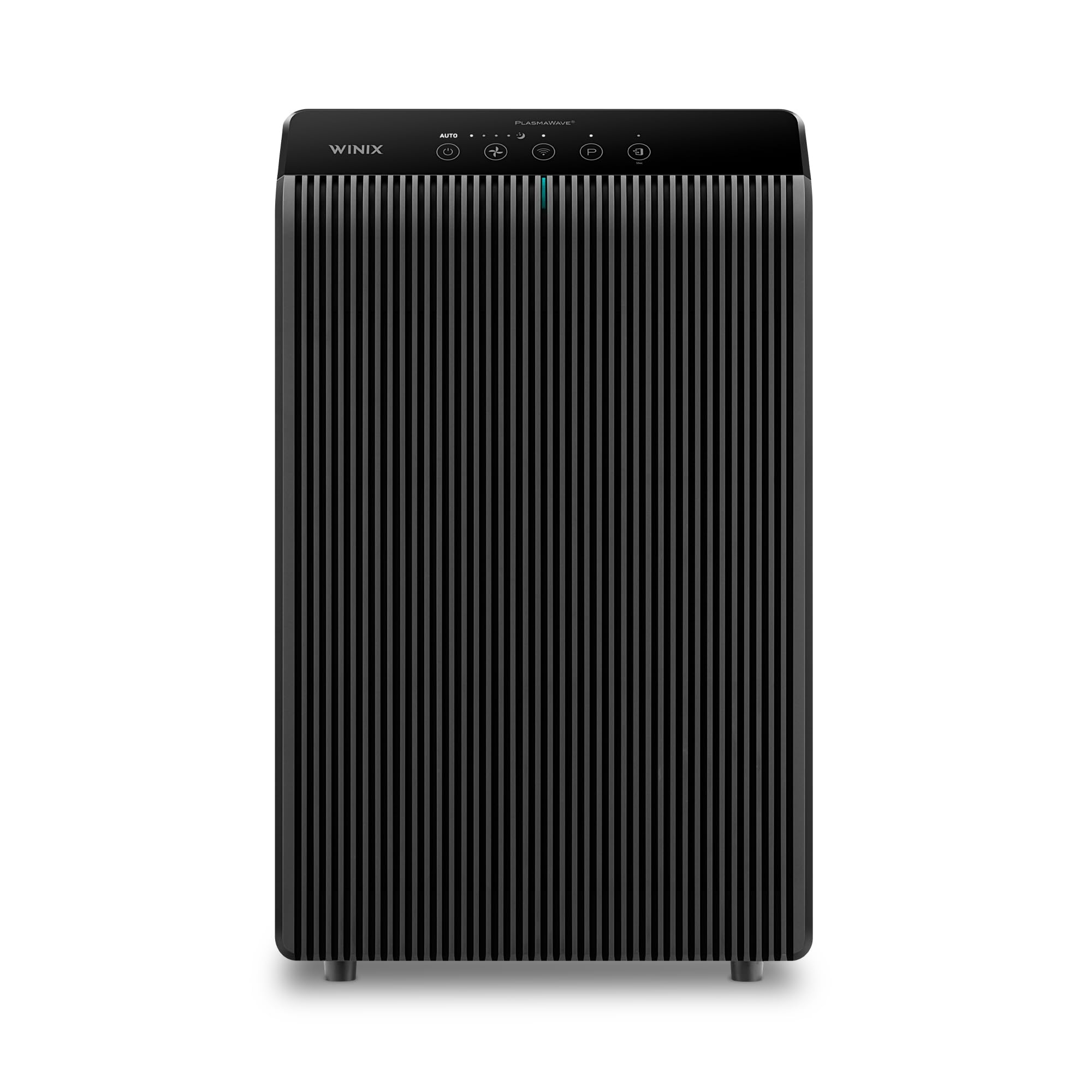
- Control and monitor the air purifier remotely with the Winix Smart App.
- Its built-in air quality sensor measures air quality and adjusts fan speed in real time.
- The sleep mode activates when the room is darkened.
Best Gift For: Someone who would appreciate an air purifier for a large room at home.

hOmeLabs Dehumidifier
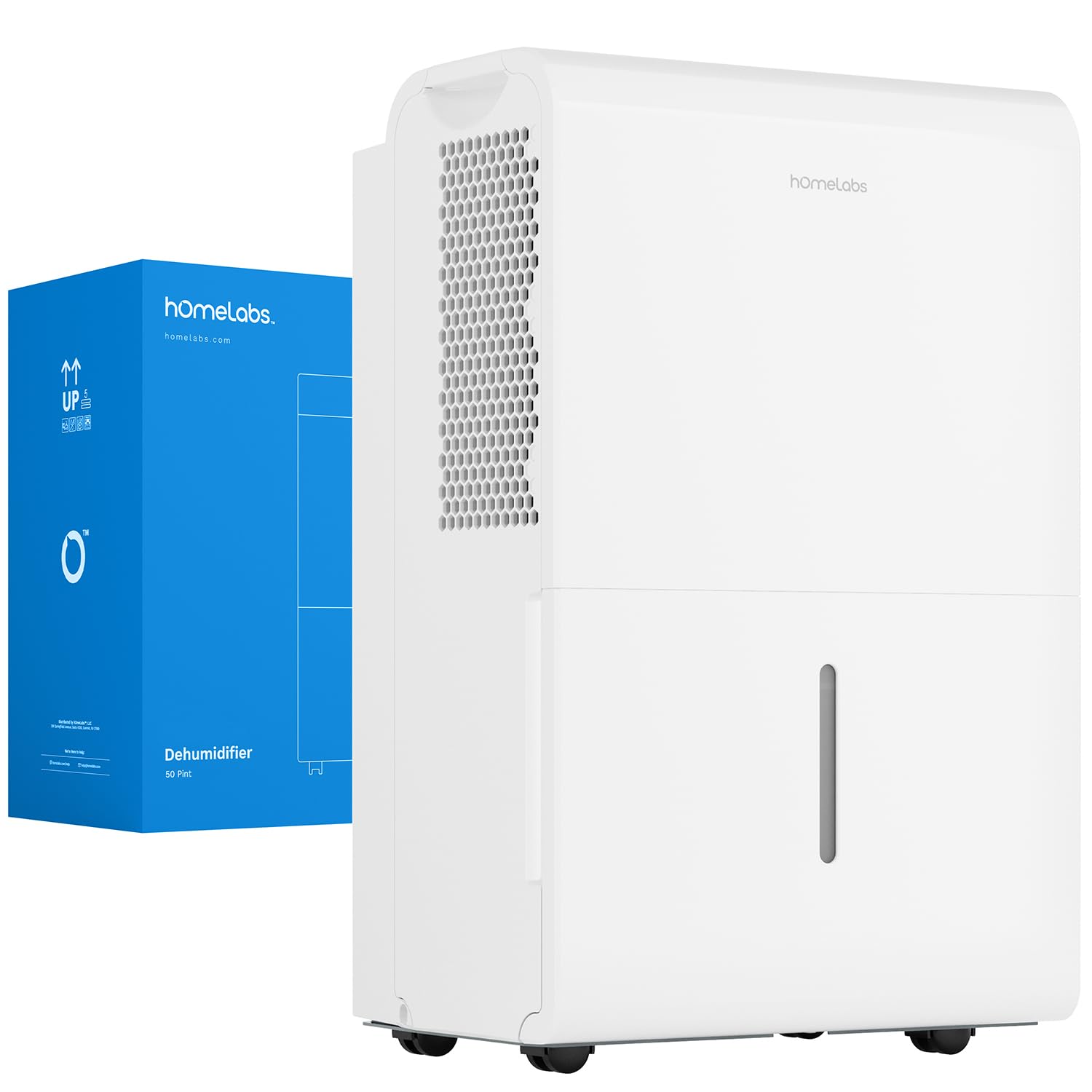
- Wi-Fi functionality allows remote adjustments and control.
- Convenient wheels and handles help move it around the home.
- It can shut off automatically when the tank is full.
Best Gift For: Someone who wants to manage moisture in a residential space.
Coop Home Goods Original Adjustable Pillow, King Size
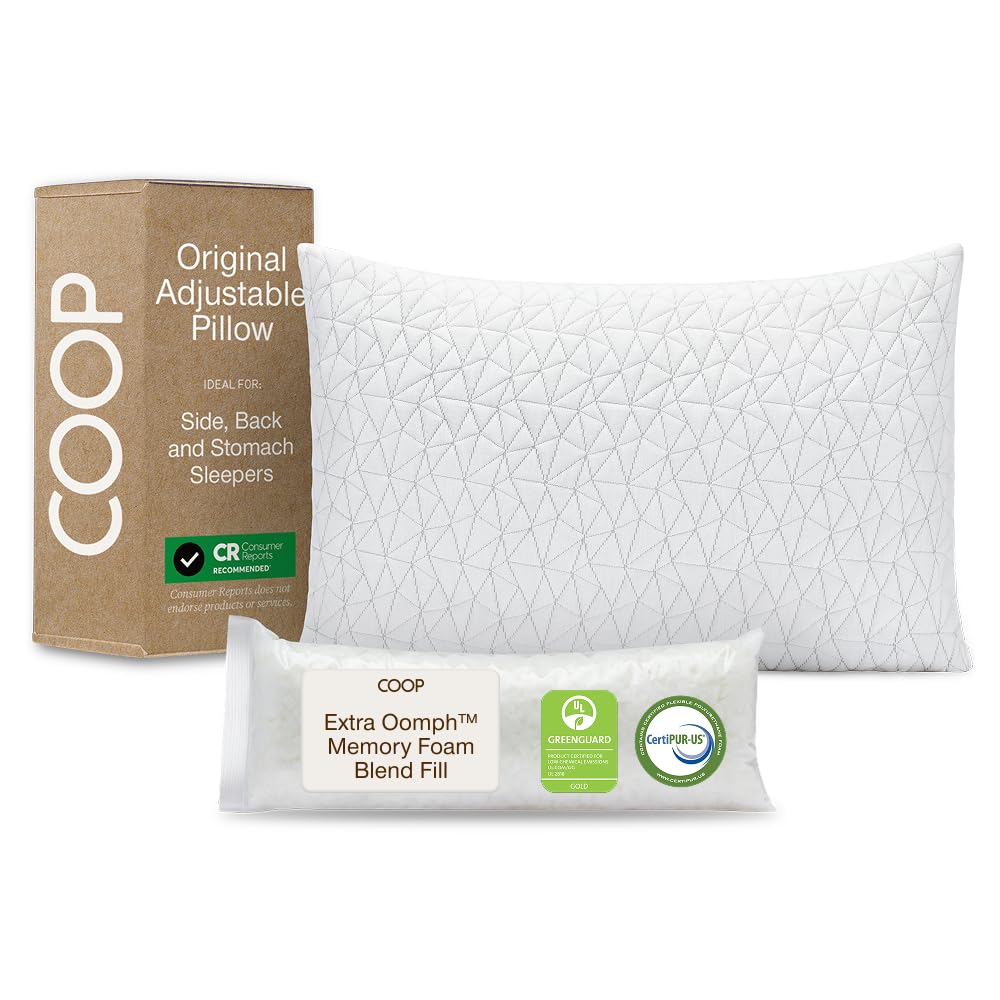
- Adjust the fill to change the pillow’s firmness.
- The cover uses a soft, breathable fabric.
- An extra fill bag comes with the pillow.
Best Gift For: A back, stomach, or side sleeper who would enjoy adjusting pillow firmness.
Honeywell QuietSet Tower Fan
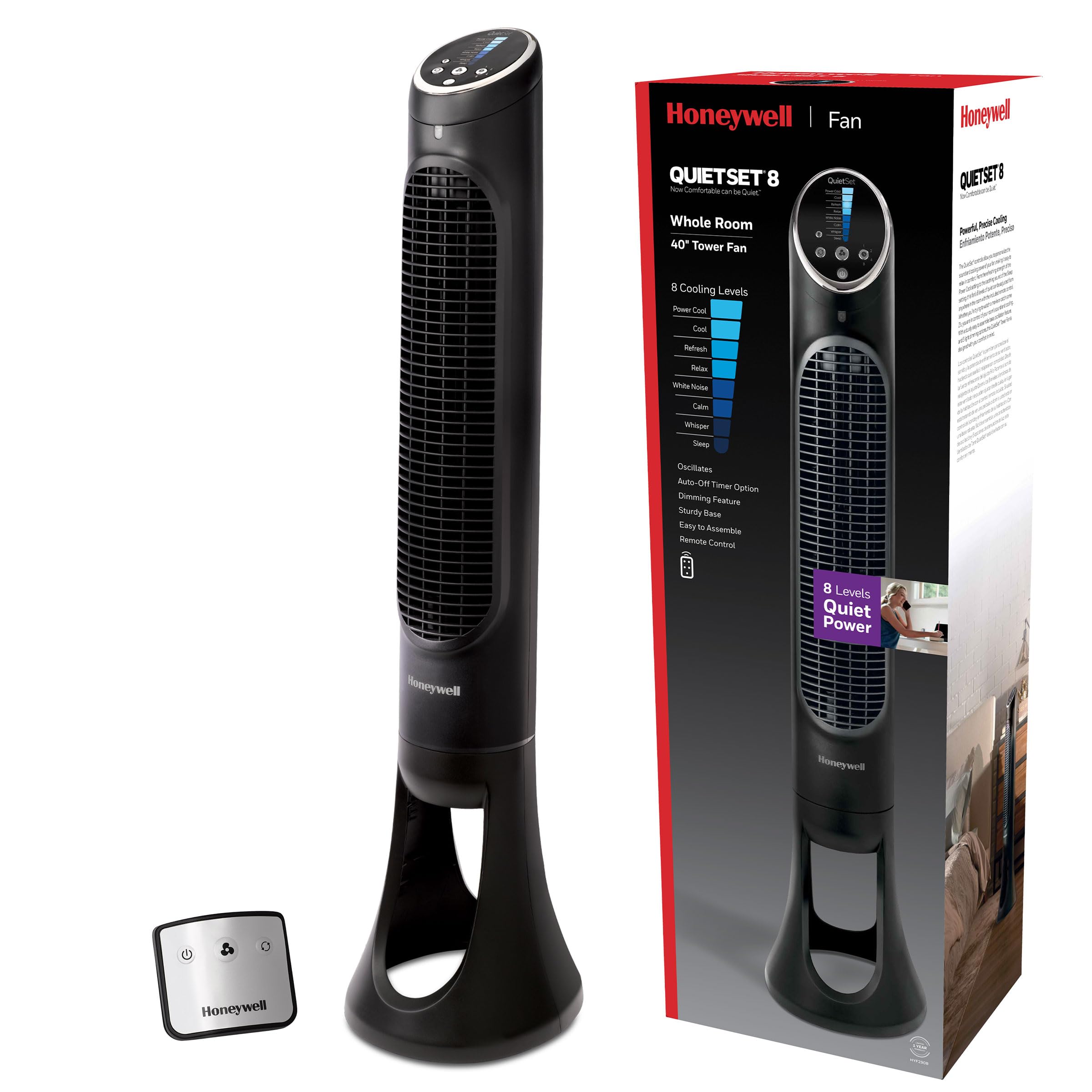
- A remote is included and stores at the back of the fan.
- The fan oscillates and includes a timer.
- Choose from eight speed settings.
Best Gift For: Someone who would appreciate airflow in a bedroom or living room.
TAGRY True Wireless Earbuds
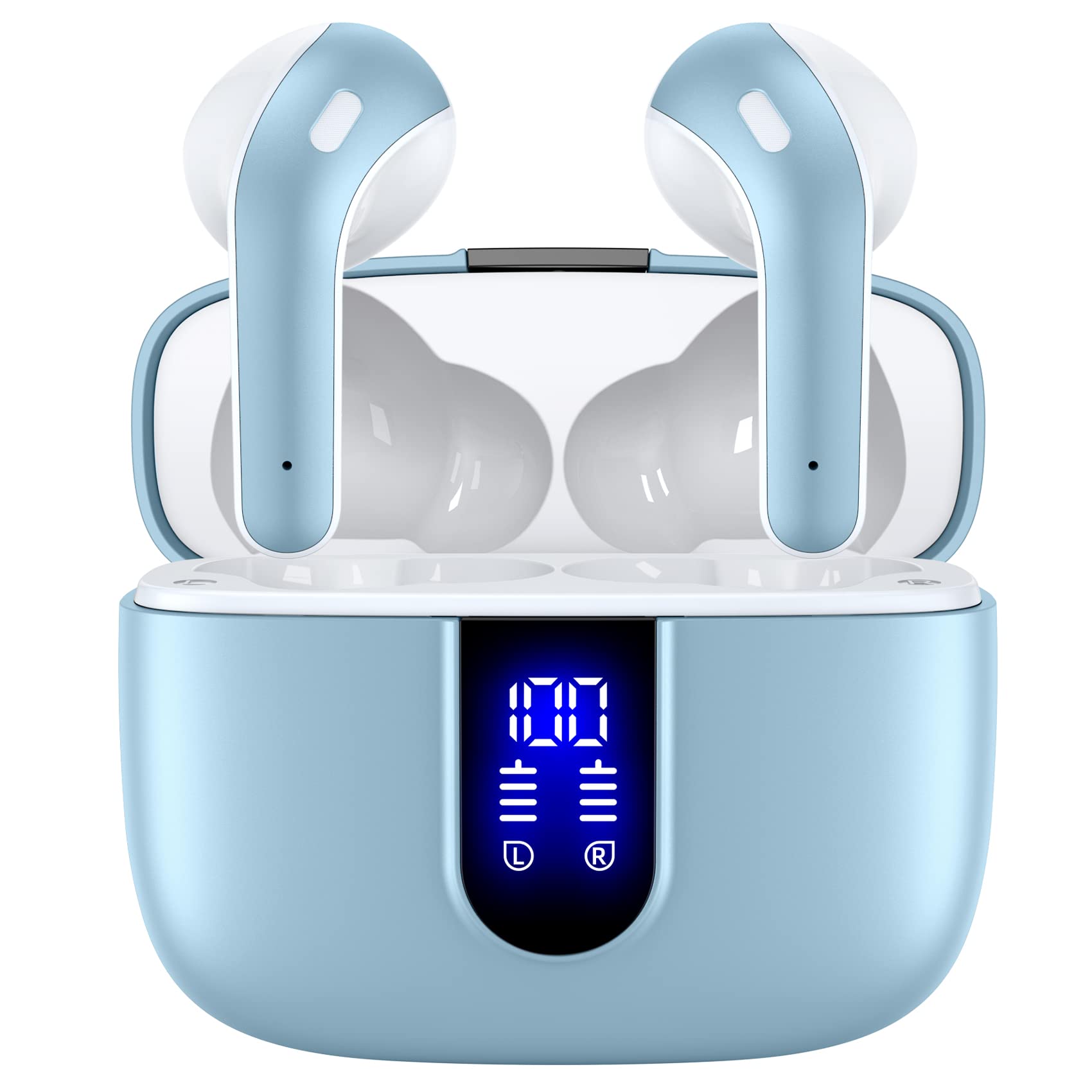
- The case supports wireless charging and USB-C cable charging.
- Touch controls handle music, volume, calls, and voice assistant functions.
- The case’s LED display shows its power level and the earbuds’ power level.
Best Gift For: Someone who listens to music or takes calls from a phone or computer.
Everlasting Comfort 6L Cool Mist Humidifier
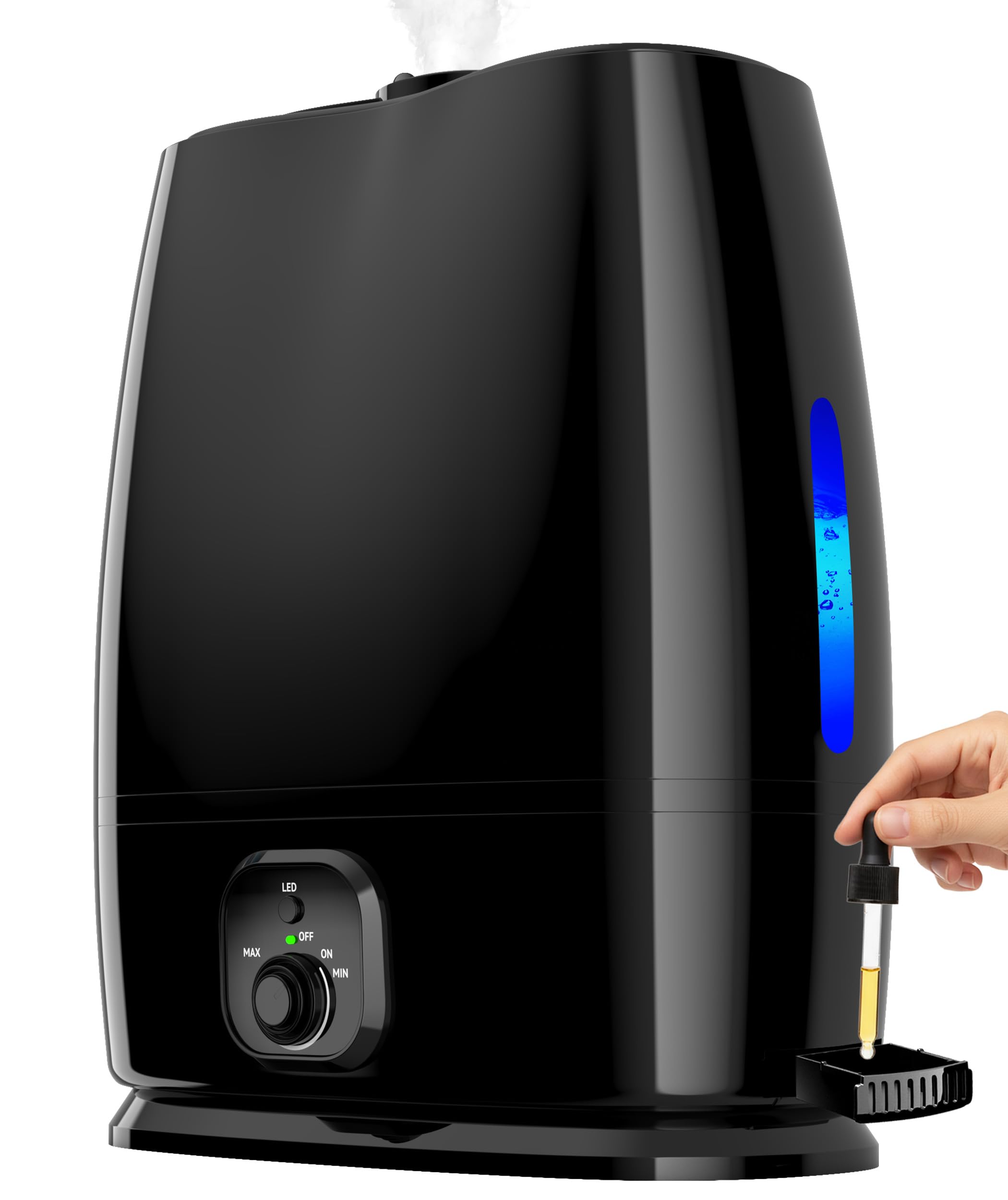
- A wide opening helps make cleaning easier.
- The mist output is adjustable and its nozzle rotates.
- A tray allows essential oils to be added to the mist.
Best Gift For: Someone who wants a quiet humidifier for a bedroom or large room.
Everlasting Comfort Memory Foam Foot Rest
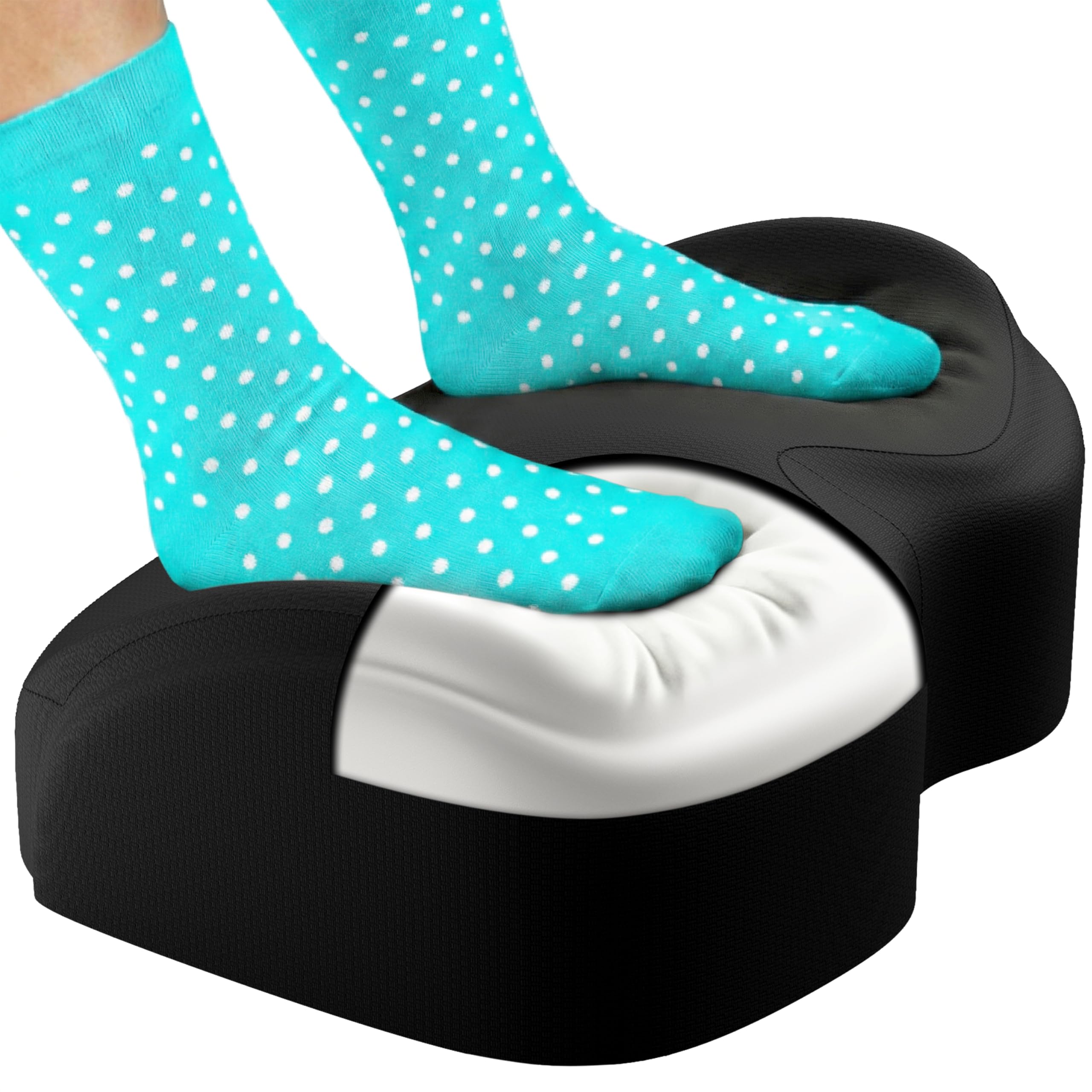
- The breathable cover is machine washable.
- A non-slip base helps keep it secure on carpet, tile, or hardwood floors.
- It is lightweight and easy to move between rooms.
Best Gift For: Someone spending time at a desk or gaming station who may like elevating their feet.
Zyllion Shiatsu Back and Neck Massager
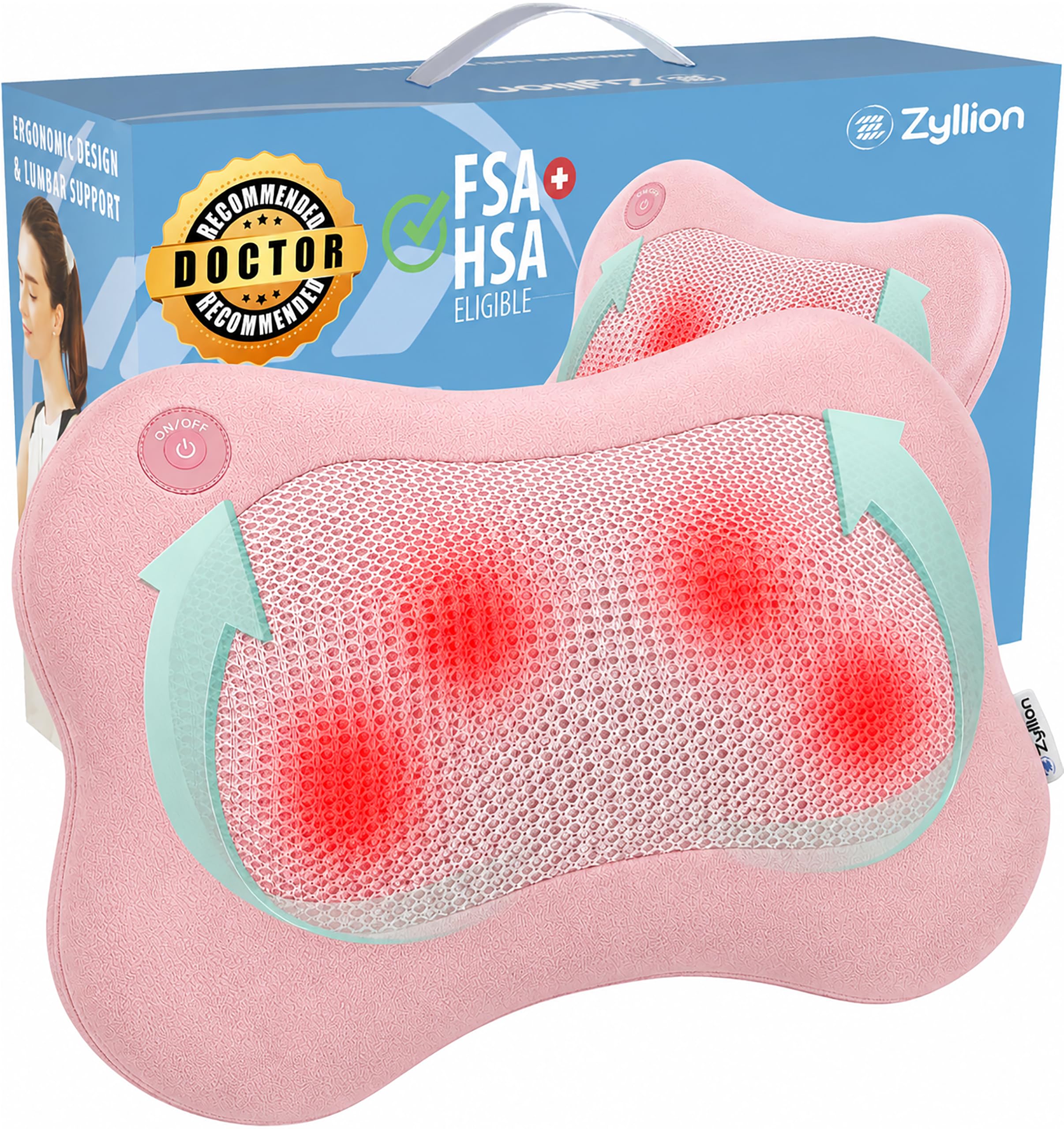
- The massager uses a kneading action and includes heat.
- Velcro straps can secure it to an office chair or car headrest.
- It needs to be plugged in to operate.
Best Gift For: Someone interested in a plug-in massager for the back, neck, arms, hands, legs, or feet.
Mueller Living 1.8L Electric Kettle
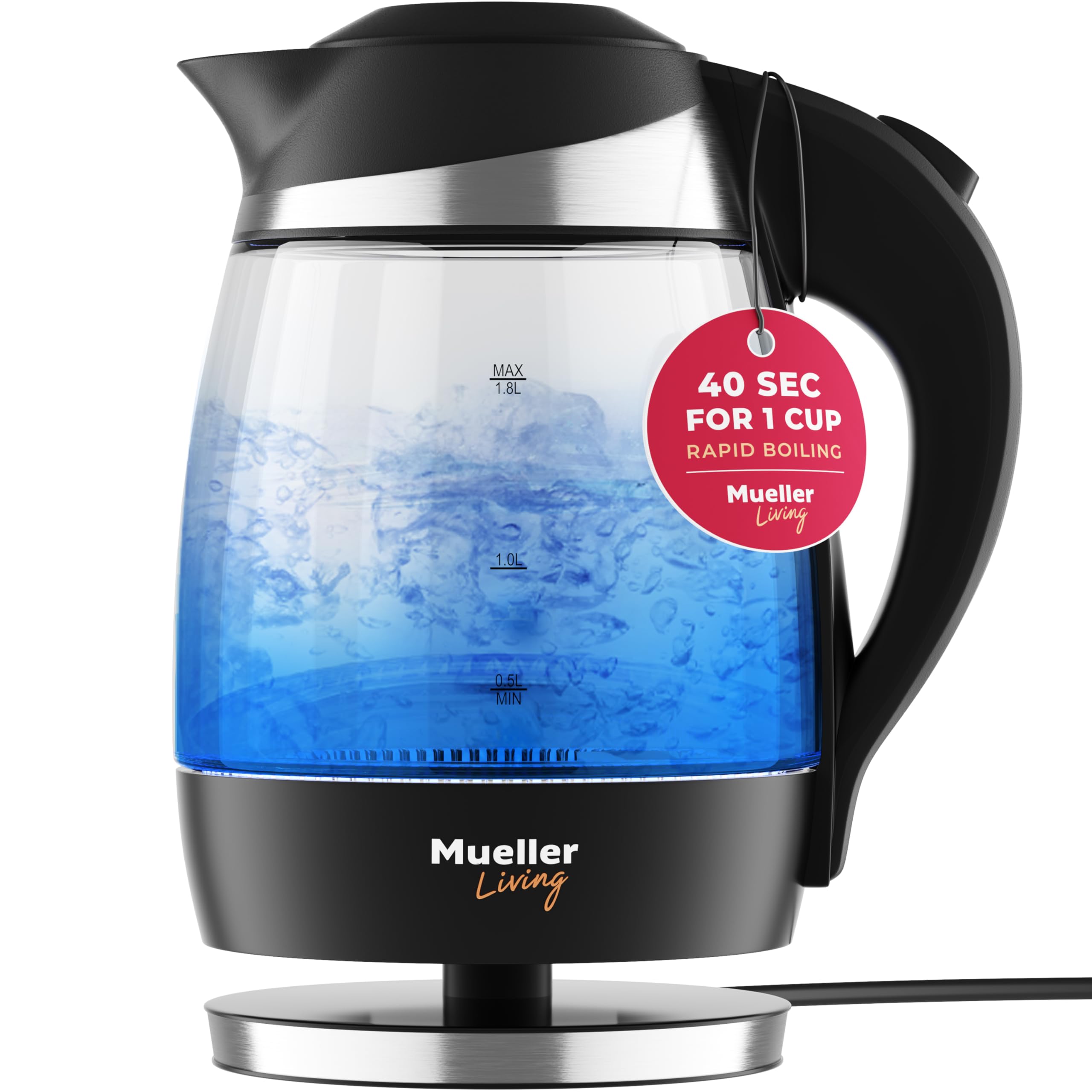
- The kettle switches off automatically when water boils.
- Its washable, removable filter helps keep water clean.
- The power cord is attached to the base, so the kettle can be lifted away for pouring.
Best Gift For: Someone who enjoys making tea, coffee, oatmeal, or hot chocolate at home.
MyHalos Sleep Mask, Black, 2-Pack
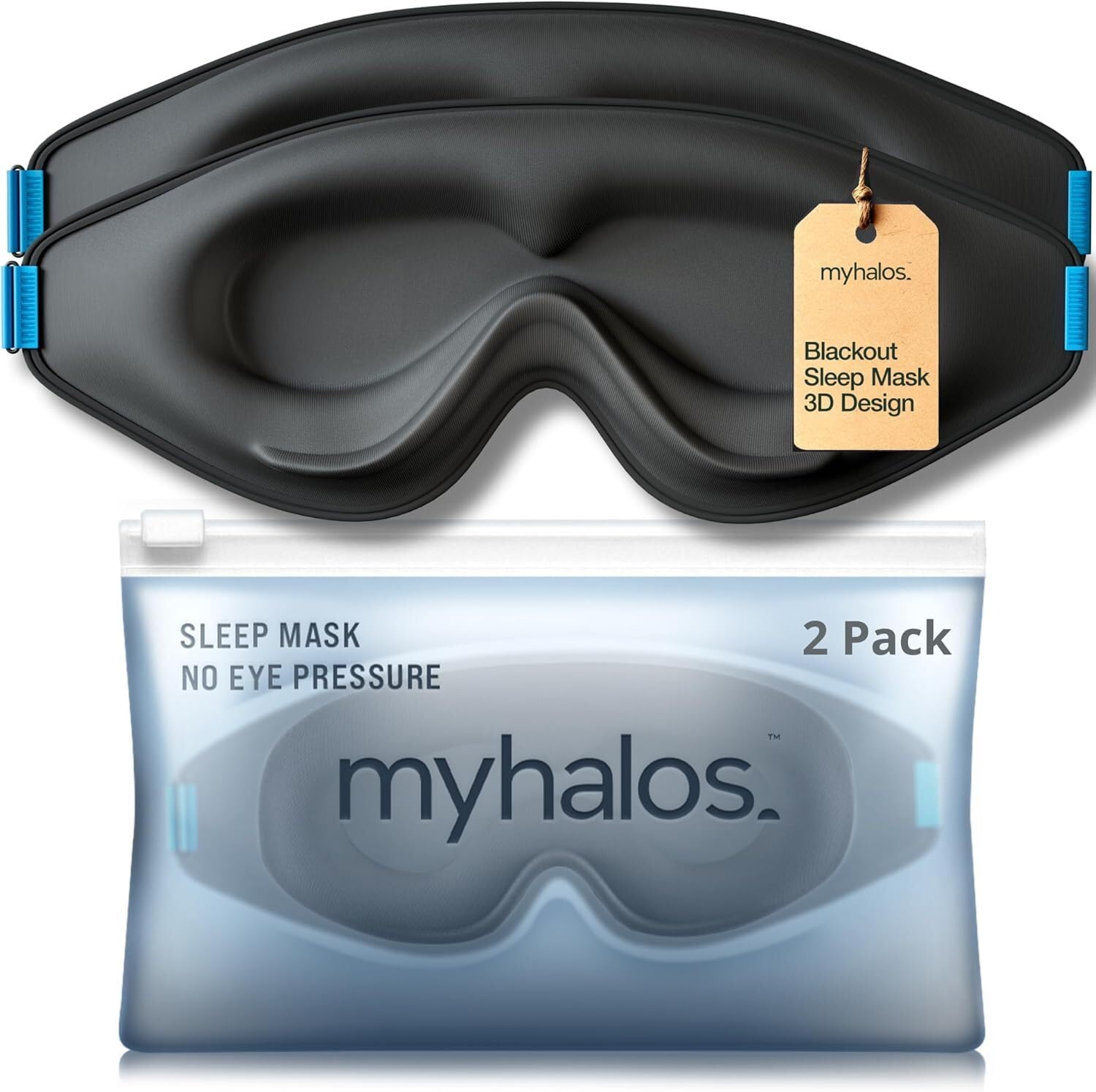
- Its contoured design is made to block light.
- The eye cups are designed to avoid contact with eyelids or lashes.
- The mask is washable and comes with a travel pouch.
Best Gift For: Someone who would appreciate a washable sleep mask.
Clever Fox Planner PRO Light

- Its undated layout lets the owner start at any time of year.
- A quick-start guide and planning stickers are included.
- The planner includes goal-setting prompts for different areas of life.
Best Gift For: Someone who likes writing down goals and organizing weekly and monthly plans.
SONGMICS Bed Laptop Desk
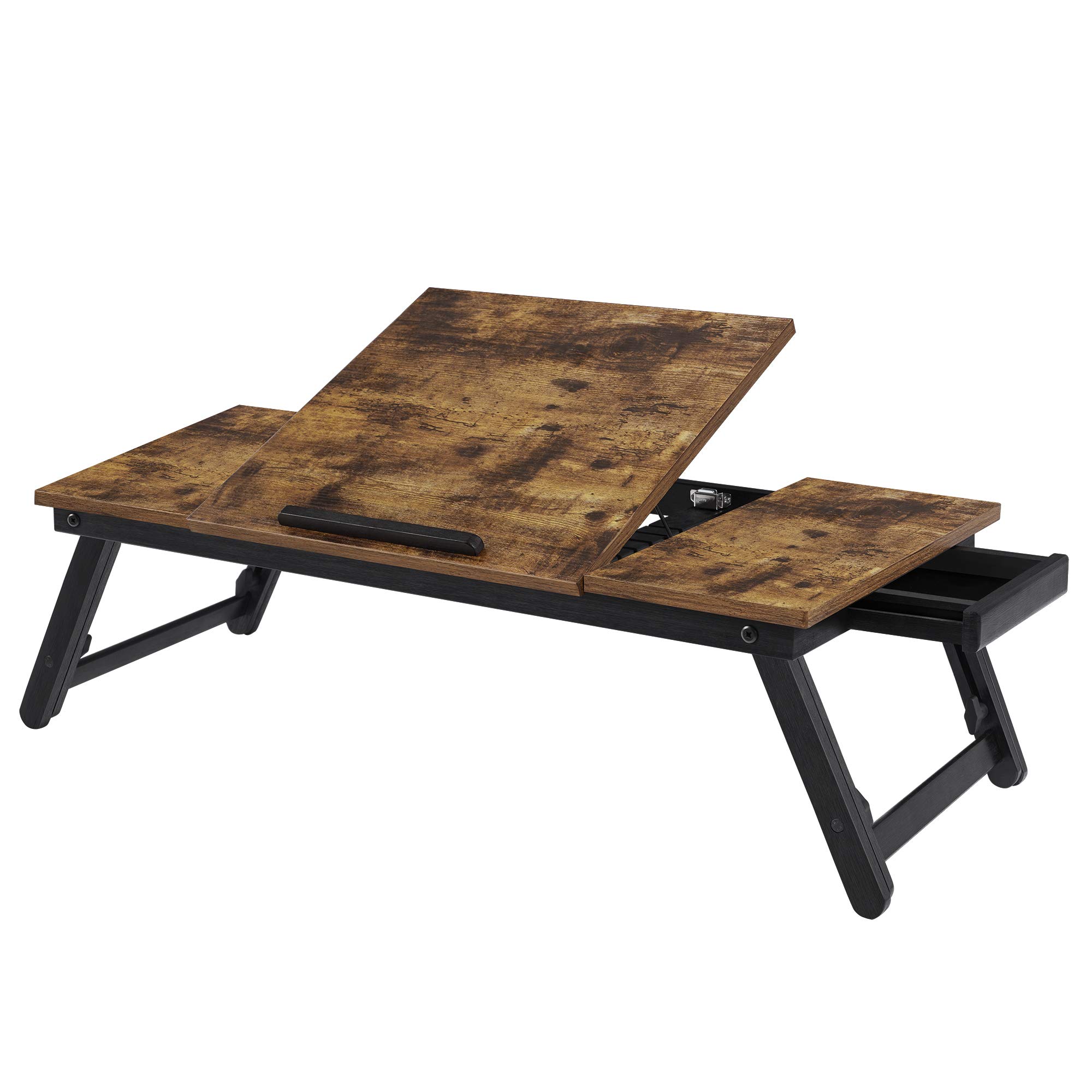
- The tray’s height and angle can be adjusted, with five angle settings.
- The desktop leaves mouse space on either side.
- The tilt top can be flattened for other uses.
Best Gift For: Someone who would enjoy a surface for working, reading, writing, or breakfast in bed.
Hydracy 2L Water Bottle
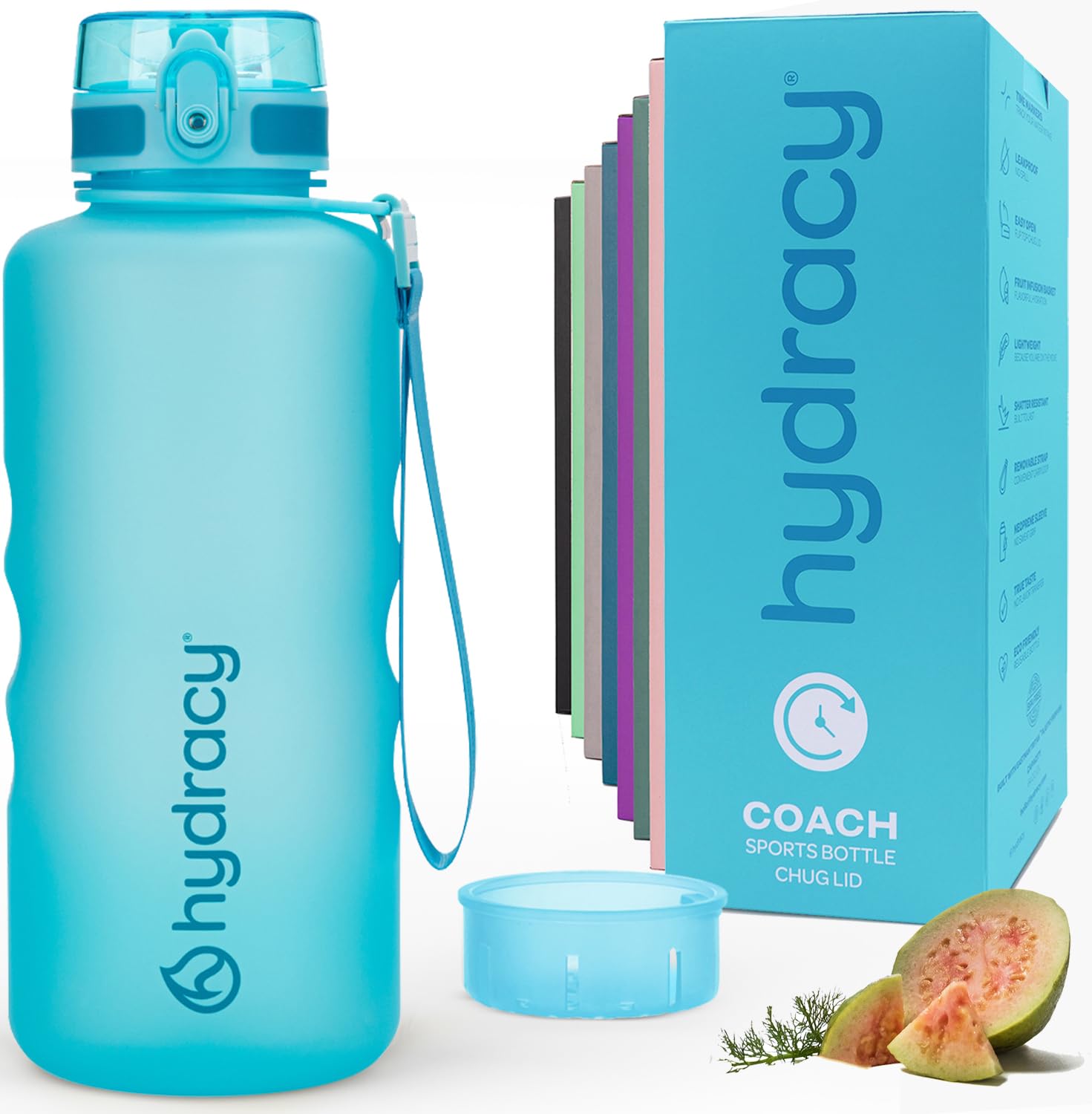
- The timeline offers reminders for when to take the next sip.
- It has a detachable carry strap and flip-top lid.
- A fruit infusion strainer is included.
Best Gift For: Someone who wants a reusable bottle with a timeline to guide sipping throughout the day.
Bare Home Cotton Weighted Blanket, Light Grey
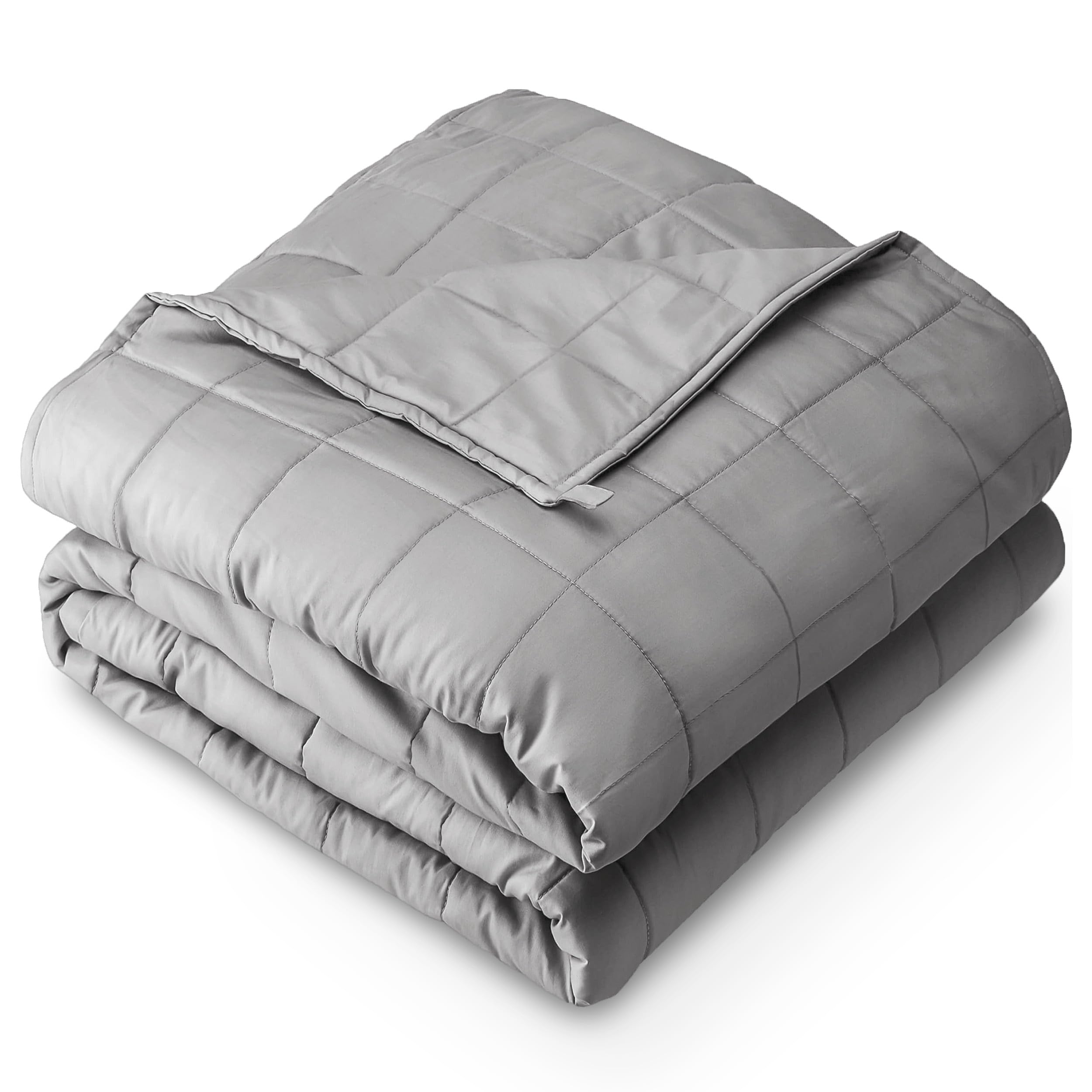
- The blanket is made with cotton and glass bead filling.
- Reinforced stitching helps prevent beads from shifting or leaking.
- It has corner loops for securing a cover.
Best Gift For: Someone who enjoys the feel of a weighted blanket and whose preferences and needs suit its weight.
Cross Classic Century Gold-Plated Ballpoint Pen

- The pen uses a swivel-action mechanism.
- It has a comfortable grip and is refillable.
- It arrives in a gift box.
Best Gift For: Someone who enjoys journaling, taking notes, or using a refillable pen.
Choosing a Gift That Fits Recovery at Home
When choosing gifts for people recovering at home, start with the person’s ordinary day: where they rest, what they like to do, and what feels comfortable to them. A bed tray may suit someone who enjoys reading or writing; a planner may be welcome to a person who likes keeping notes.
Ask a caregiver or the recipient if you are unsure whether an item would be useful.
Consider the room and the recipient’s preferences before choosing home-comfort items. Some people value quiet surroundings, while others appreciate a familiar sound or a little airflow.
For powered devices, check the space available, the recipient’s preferred controls, and whether setup or routine care would be manageable.
Balancing Practicality and Budget
Among gifts for people recovering at home, practical choices can be modest or more substantial. A small notebook-style planning gift or a reusable bottle may suit a simple gesture, while room appliances or bedding are larger purchases that call for more thought about space and preferences.
Set a qualitative budget before shopping, then weigh ongoing effort as well as the initial purchase. Check actual prices, product dimensions, compatibility, care instructions, and any accessories needed.
A useful gift should fit the recipient’s routines and the room; avoid assuming that a feature or device will be right for everyone.
Personalization and Presentation
For gifts for people recovering at home, a brief personal note can make a practical present feel considered. Pair a writing gift with a card recalling a favorite story, or add a favorite tea to a kettle gift if you already know the recipient enjoys it.
Keep any additions optional and guided by their tastes.
Presentation can make opening a gift easier. Use a light bag or simple wrapping that does not require much cutting or lifting, and include a short note explaining why you chose it.
If the item needs setup, offer to help only if the person welcomes that; some recipients may prefer to decide when and how to use it.
Last-Minute Shopping Advice
For gifts for people recovering at home, a quick check-in can prevent a rushed mismatch. Confirm that the recipient wants the kind of item you have in mind, especially for things that occupy space, need regular cleaning, or depend on a preferred routine.
When asking directly would spoil the surprise, a close family member may be able to advise.
Before ordering, check current price, dimensions, compatibility, care requirements, and delivery estimates. For a gift with a cord, charger, or other setup needs, verify what the recipient can use and what is included.
If timing looks uncertain, consider a card with a plan to deliver the present later rather than promising a date you cannot confirm.
Thoughtful Gifts for People Recovering at Home
A meaningful choice need not solve everything. A comfortable routine, a favorite activity, or a small reminder of connection can make the gift feel personal while leaving the recipient room to choose what suits them.
If you are uncertain, pair a simple note with an offer of practical help the recipient can accept or decline. Respect their preferences, keep the gesture easy to receive, and let their own routines guide the final choice.